Professional Manufacturer of High-performance ceramic
and Wear Resistant Products
+86-533-3591856

Call us

EN ES RUS
since 1997
main products
NEWS
  • 19

    2025-11

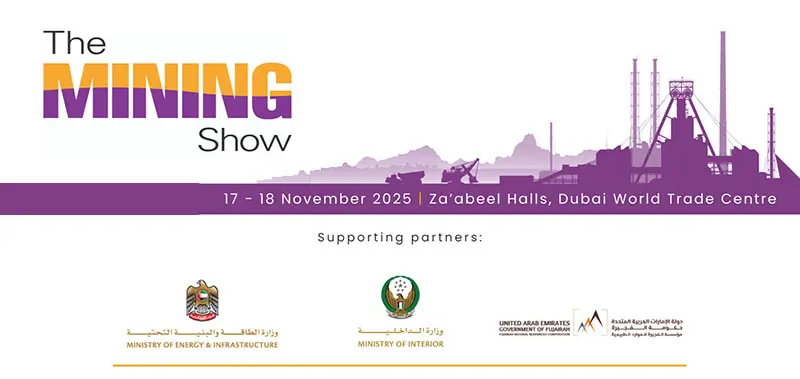
    ZIBO QIMINGXING NEW MATERIAL INCORPORATED is at The Mining Show Dubai, and today is your last chance to see our high-performance wear-resistant ceramics in person!

    We are excited to be exhibiting at Booth#: E60-5  today, the final day of the show.If you are at the event, come and discover how our durable ceramic solutions can drastically reduce downtime and maintenance costs for your mining equipment.Why visit us today?See & Feel the Quality: Get a hands-on look at our robust ceramic linings and components.Solve Your Wear Problems: Speak directly with our experts about your specific challenges.Final Opportunity: This is your last chance to connect with us at the region's premier mining event.Where to find us:Event: The Mining Show Dubai - Final DayBooth: E60-5 Date: Today, NOV.18THWe look forward to meeting you!

  • 06

    2026-05

    Aluminium Oxide Keramiek: Technische Eigenschappen en Industriële Toepassingen

    Aluminium oxide keramiek, ook bekend als aluinaard, is een geavanceerd technisch materiaal dat wordt gekenmerkt door uitzonderlijke hardheid en thermische stabiliteit. In de industrie wordt dit keramiek op grote schaal gebruikt als slijtvaste bekleiding en als elektrische isolator. Vanwege zijn vermogen om extreme temperaturen en agressieve chemicaliën te weerstaan, is aluminium oxide keramiek een onmisbaar component geworden in zware machines en elektronica.Belangrijkste Materiële EigenschappenDe prestaties van aluminium oxide keramiek zijn afhankelijk van het zuiverheidspercentage van het oxidepoeder. Hogere zuiverheidsgraden verhogen de thermische en elektrische eigenschappen van het materiaal.Extreme Hardheid: Met een Mohs-hardheid van 9 is dit keramiek na diamant het hardst beschikbare materiaal. Dit zorgt ervoor dat het bijna onverwoestbaar is tegen schuren en slijtage in transportbuizen en malen installaties.Thermische Weerstand: Aluminium oxide keramiek kan temperaturen tot 1600°C weerstaan. Dit maakt het geschikt voor gebruik in hoogovens, verbrandingskamers en hittebarrières zonder te smelten of te vervormen.Chemische Stabiliteit: Het materiaal reageert niet met zuren of alkalische oplossingen. Deze inertie zorgt ervoor dat het niet corrodeert in chemische verwerkingsfabrieken, in tegenstelling tot metaal.Industriële ToepassingenVan mijnbouw tot elektronica, aluminium oxide keramiek biedt oplossingen voor extreme technische problemen.1. Slijtvaste BeveiligingIn bulktransport en mijnbouw worden schachten en transportbanden beschermd met platen van aluminium oxide keramiek. De keramische tegels worden vaak op een stalen achtergrond gelijmd om zo een "composite armor" te vormen die de levensduur van de apparatuur verlengt.2. Elektrische IsolatieVanwege de hoge diëlektrische sterkte wordt dit keramiek gebruikt als isolerende plaat in hoogspanningsschakelpanelen en printplaten. Het voorkomt kortsluiting en elektrische vonken bij hoge temperaturen.3. MachineonderdelenPompen, kleppen en lagers worden vaak gemaakt van aluminium oxide keramiek omdat het geen smeermiddel nodig heeft en lang meegaat in droge, schurende omgevingen.Voordelen ten opzichte van Traditionele MaterialenHet gebruik van aluminium oxide keramiek biedt duidelijke operationele voordelen.Lagere Onderhoudskosten: Doordat het materiaal bijna niet slijt, hoeven machines minder vaak stil te staan voor vervanging van onderdelen.Gewichtsreductie: Hoewel dicht, is keramiek lichter dan hardmetaal. Dit vereenvoudigt de montage en vermindert de belasting op structuren.Energie-efficiëntie: In elektronica helpt de thermische geleidbaarheid van het keramiek bij het afvoeren van warmte, wat de efficiëntie van componenten verhoogt.FAQQ1: Wat is aluminium oxide keramiek?A: Het is een geavanceerd technisch keramiek gemaakt van gesinterd aluminiumoxidepoeder, bekend om zijn extreme hardheid en isolerende eigenschappen.Q2: Waar wordt aluminium oxide keramiek voor gebruikt?A: Het wordt voornamelijk gebruikt als slijtvaste bekleiding in mijnbouw, als elektrische isolator en als onderdeel in precisie-machines.Q3: Kan aluminium oxide keramiek tegen hoge temperaturen?A: Ja, het kan continue temperaturen tot 1600°C weerstaan in een oxidiserende atmosfeer zonder zijn structuur te verliezen.Q4: Is aluminium oxide keramiek duurzaam?A: Ja, het is een van de meest slijtvaste materialen ter wereld, wat leidt tot lagere vervangingskosten en minder downtime in industriële processen.

  • 07

    2026-04

    Alumina Ceramic Disc: The Versatile Workhorse of Industrial Engineering

    The alumina ceramic disc is a fundamental component in modern industrial engineering, prized for its exceptional balance of performance and cost-effectiveness. Composed primarily of aluminum oxide (Al₂O₃), this type of technical ceramic offers a unique combination of hardness, electrical insulation, and corrosion resistance that surpasses most metals and polymers. Due to its robust physical properties, the alumina ceramic disc is utilized across a vast array of applications, from heavy-duty machinery wear parts to delicate electronic substrates.A primary advantage of the alumina ceramic disc is its extraordinary hardness. Ranking very high on the Mohs scale, it exhibits superior resistance to abrasion and wear. This makes it an ideal choice for use as a liner, valve seat, or grinding medium in environments where friction would rapidly degrade other materials. Furthermore, these discs maintain their structural integrity at high temperatures, allowing them to function reliably in furnaces, engines, and high-heat manufacturing processes without melting or deforming. Their chemical inertness ensures they remain unaffected by oils, solvents, and corrosive agents, guaranteeing a long service life in harsh chemical environments.Beyond mechanical durability, the alumina ceramic disc plays a critical role in the electronics and semiconductor industries. Because alumina is an excellent electrical insulator with good thermal conductivity, these discs are widely used as substrates for hybrid integrated circuits, insulating bases for high-power semiconductor devices, and dielectric windows in vacuum systems. Manufacturers can produce these discs with extremely tight tolerances and smooth surface finishes, meeting the precision requirements of optical equipment and medical devices. Whether used as a protective shield, an electrical barrier, or a thermal diffuser, the alumina ceramic disc remains a versatile and indispensable element in advanced technology and industrial maintenance.FAQQ1: What is an alumina ceramic disc used for?A: It is used for a wide range of applications including electrical insulators, wear-resistant machine parts, grinding media, electronic substrates, and thermal barriers.Q2: Why is alumina (Al₂O₃) chosen over other ceramics?A: Alumina is chosen because it offers the best balance of high hardness, good electrical insulation, thermal stability, and corrosion resistance at a relatively lower cost compared to exotic ceramics like silicon carbide or zirconia.Q3: Can alumina ceramic discs be customized?A: Yes, manufacturers can customize alumina ceramic discs in various purities (e.g., 95% to 99.8% Al₂O₃), diameters, thicknesses, and surface finishes to meet specific engineering requirements.Q4: Are alumina ceramic discs brittle?A: Yes, like all ceramics, alumina is inherently brittle. While it is extremely hard and resistant to wear, it has low tensile strength and can fracture if subjected to sudden impacts or bending forces.

  • 01

    2026-04

    Advanced Ceramics: The High-Performance Materials Powering Modern Industry

    The field of advanced ceramics represents a critical frontier in materials science, where inorganic, non-metallic compounds are engineered to withstand extreme conditions far beyond the capabilities of traditional materials. Unlike conventional pottery or porcelain, advanced ceramics are meticulously designed to exhibit superior mechanical strength, exceptional thermal stability, and unique electrical properties. These high-performance materials are indispensable in modern technology, serving as the backbone for innovations in aerospace, electronics, and medical devices.At the heart of advanced ceramics is their precise microstructure. These materials are typically composed of refined or synthesized powders such as alumina, zirconia, silicon carbide, and tungsten carbide. The manufacturing processes—ranging from pressing and sintering to additive manufacturing—are tightly controlled to minimize porosity and maximize density. This results in components that are incredibly hard, resistant to wear and corrosion, and capable of functioning at high temperatures. For instance, in the aerospace industry, advanced ceramics are used in turbine blades and thermal barrier coatings, allowing jet engines to operate more efficiently at higher temperatures.The application spectrum of advanced ceramics is vast and specialized. In the electronics sector, they serve as essential substrates and insulators for semiconductors and microchips due to their excellent dielectric properties and thermal conductivity. Bioceramics, such as hydroxyapatite, are engineered to be biocompatible, making them ideal for medical implants like hip joints and dental crowns. Furthermore, piezoelectric ceramics are vital for sensors, actuators, and transducers used in automotive systems and consumer electronics. As research continues, the development of nano-ceramics and composite materials promises even greater functionality and lighter weight solutions for future engineering challenges.FAQQ1: What distinguishes advanced ceramics from traditional ceramics?A: Advanced ceramics are distinguished by their highly controlled chemical composition and microstructure. They are engineered for specific performance characteristics like high strength, thermal resistance, and electrical properties, whereas traditional ceramics are typically used for general construction or tableware.Q2: What are the main categories of advanced ceramics?A: They are generally categorized into three main types: structural ceramics (used for mechanical strength and wear resistance), electronic ceramics (used for electrical insulation or conductivity), and bioceramics (used for medical applications).Q3: Why are advanced ceramics used in engine components?A: They are used in engine components because they have a much higher melting point than metals and are resistant to thermal shock. This allows engines to run hotter and more efficiently, improving fuel economy and reducing emissions.Q4: Are advanced ceramics difficult to machine?A: Yes, due to their extreme hardness and brittleness, advanced ceramics are very difficult to machine using conventional methods. They are usually shaped during the manufacturing process (green state) or finished using diamond grinding tools.

  • 29

    2026-03

    Ceramic Products Manufacturers: Global Leaders in Advanced Materials and Industrial Solutions

    The landscape of ceramic products manufacturers in 2026 is defined by a dynamic blend of heavy industrial capability and high-tech precision engineering. No longer limited to traditional pottery or basic construction materials, the modern ceramic sector is a cornerstone of advanced manufacturing, driving innovation in electronics, aerospace, and sustainable infrastructure. Leading manufacturers have evolved into multinational conglomerates, integrating smart production technologies to deliver materials that withstand extreme environments while maintaining rigorous quality standards.In the realm of industrial ceramics and heavy machinery, companies like Keda Industrial Group exemplify the scale of modern production. Headquartered in Guangdong, Keda has expanded its footprint significantly, particularly in Africa and South America, establishing massive ceramic production bases that supply essential building materials to developing infrastructure. Their expertise extends beyond simple manufacturing into the realm of equipment and new materials, including lithium extraction technologies, showcasing how ceramic products manufacturers are diversifying into the new energy sector. Similarly, in the construction sector, manufacturers like Wangzhe Tiles have leveraged intelligent factories to produce high-durability architectural ceramics, utilizing big data to optimize firing processes and ensure consistency across millions of square meters of output.Parallel to the construction boom is the critical role of advanced technical ceramics in the electronics and medical sectors. Manufacturers such as Kyocera and T三环 Group (CCTC) dominate this space, producing microscopic ceramic components that are essential for semiconductors, 5G communications, and medical implants. These electronic ceramics require nanometer-level precision and ultra-high purity. For instance, ceramic substrates and insulators are vital for managing heat in electric vehicles and high-power computing. The ability to engineer ceramics with specific electrical and thermal properties has made these manufacturers indispensable partners in the global tech supply chain.Furthermore, the sector is seeing a rise in specialized refractory materials and wear-resistant solutions. Companies are increasingly focusing on "smart ceramics" that can monitor their own structural health or adapt to thermal shocks. From the grinding media used in mining to the specialized linings in steel mills, ceramic products manufacturers are providing the durability required for the world's harshest industrial processes. As we move further into 2026, the integration of AI in the sintering process and the development of eco-friendly, low-carbon ceramic production methods remain the top priorities for industry leaders, ensuring that this ancient material remains at the forefront of modern technology.FAQQ1: What is the difference between traditional and advanced ceramic manufacturers?A: Traditional manufacturers typically focus on clay-based products like tiles, sanitaryware, and tableware. Advanced ceramic manufacturers utilize high-purity synthetic powders (like alumina, zirconia, and silicon carbide) to create components with specific mechanical, electrical, or thermal properties for high-tech industries.Q2: Which industries rely most on ceramic products manufacturers?A: Key industries include construction (tiles, sanitaryware), electronics (semiconductors, capacitors), mining (grinding media, liners), aerospace (thermal barriers), and healthcare (bioceramics for implants).Q3: How are manufacturers improving sustainability in ceramic production?A: Leading companies are adopting digital kiln technologies to reduce energy consumption, recycling water in production processes, and developing new materials that require lower sintering temperatures to minimize carbon emissions.Q4: Who are some of the top ceramic products manufacturers globally?A: Major players include Kyocera (Japan) for electronics, Keda Industrial (China) for industrial machinery and building ceramics, Wangzhe (China) for architectural tiles, and CeramTec 

  • contact us

    Information, advice, offers. Use the contact form or give us a call.


    +86-533-3591856

    For service requests please use this form.

    Email product Request
    Enter CAPTCHA code
    WhatsApp:+86-18953352218